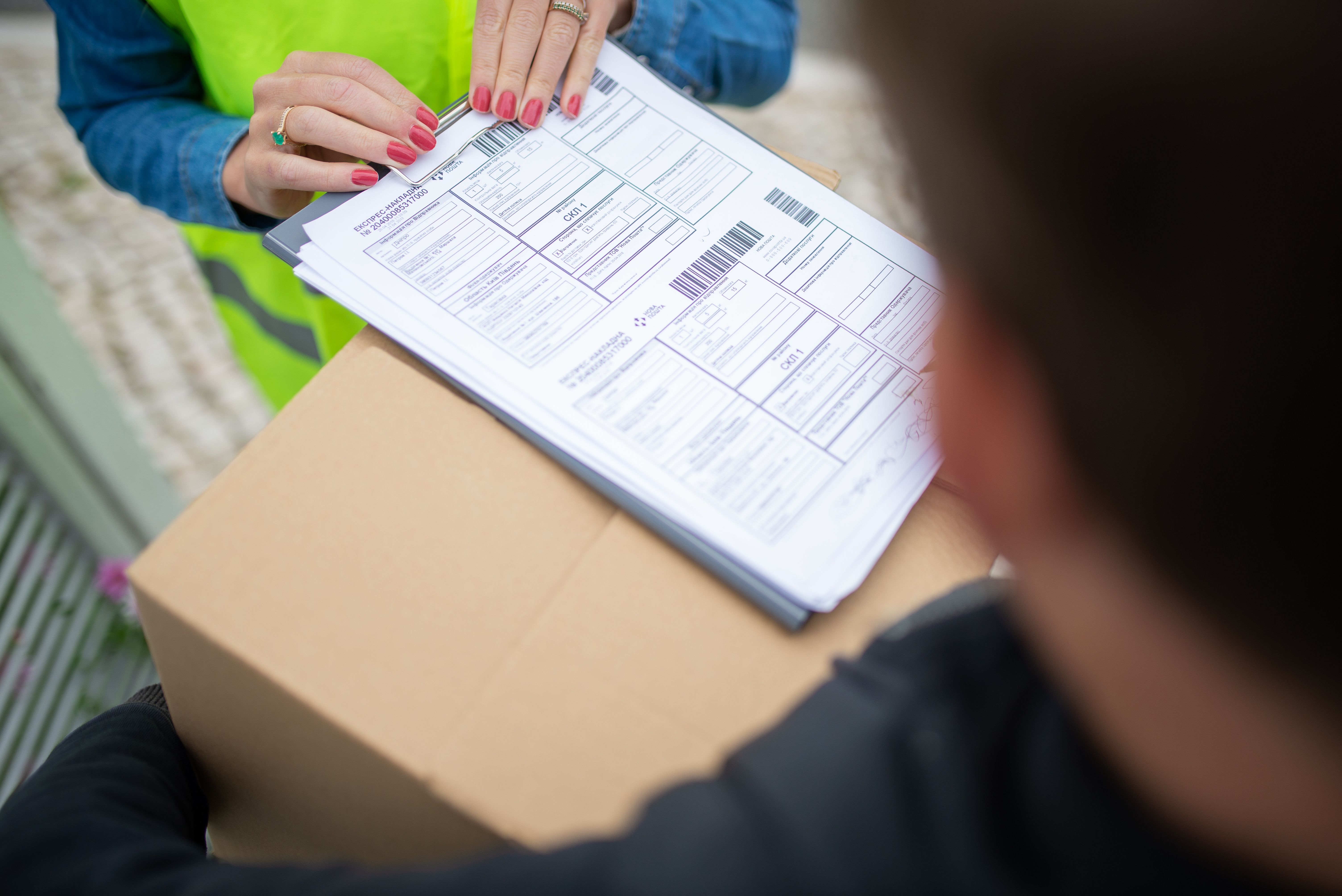

Don’t Ship Blind: Why Pre-Purchase Cargo Inspection Matters
Buying goods from overseas has never been easier.
A few emails. A couple of calls. Maybe a sample.
Then an invoice lands, payment is made, and the shipment begins its journey.
Simple.
Until it isn’t.
Because somewhere between what was agreed and what arrives, things can change.
The Invisible Risk in Global Trade
When you’re importing from places like China or India, you’re operating at a distance — geographically, culturally, and operationally.
You’re relying on:
- Photos that may not reflect the full batch
- Samples that may not represent actual production
- Assumptions about packaging and export readiness
- Trust in a process you can’t physically see
And most of the time, it works.
But when it doesn’t, it’s expensive.
Wrong quantities.
Damaged goods.
Poor packaging.
Products that don’t match specifications.
By the time the shipment arrives in the UK, the problem is no longer operational.
It’s financial.
What Pre-Purchase (and Pre-Shipment) Inspection Actually Does
Inspection is often misunderstood as a sign of distrust.
It’s not.
It’s simply a way to replace assumptions with visibility.
A pre-purchase or pre-shipment inspection typically checks:
- Quantity — Are the correct units present?
- Condition — Are the goods in acceptable shape?
- Product specifications — Do they match what was ordered?
- Packaging — Is it suitable for international transport?
- Loading readiness — Is the cargo prepared correctly for shipment?
In other words, it answers a simple question:
“Is this exactly what I think I’m shipping?”
Why Timing Matters More Than the Check Itself
The value of inspection isn’t just what you check.
It’s when you check it.
If an issue is found before shipment, you still have options:
- Ask the supplier to correct it
- Replace damaged or incorrect goods
- Renegotiate terms
- Delay shipment until standards are met
If the issue is found after arrival, your options shrink dramatically.
At that point, you’re dealing with:
- Returns across borders
- Disputes with suppliers
- Storage and demurrage costs
- Missed deadlines and unhappy customers
Inspection shifts the problem from reactive to preventable.
Who Actually Needs This?
Not every shipment requires inspection.
But it becomes critical when:
- You’re working with a new supplier
- The order value is high
- The product is custom or specification-sensitive
- You’re importing at scale
- The cost of failure is significant
For experienced importers, inspection isn’t a one-off decision.
It’s part of the process.
A Simple Principle
In international trade, there’s a quiet rule most people learn the hard way:
What you don’t check, you accept.
Inspection doesn’t eliminate risk.
But it makes risk visible — and therefore manageable.
Final Thought
Global sourcing will always involve a degree of uncertainty.
That’s the nature of distance.
But uncertainty doesn’t have to mean blind trust.
Sometimes, the smartest move isn’t faster shipping, better rates, or tighter timelines.
Sometimes, it’s simply taking a moment to look — properly — before anything moves.