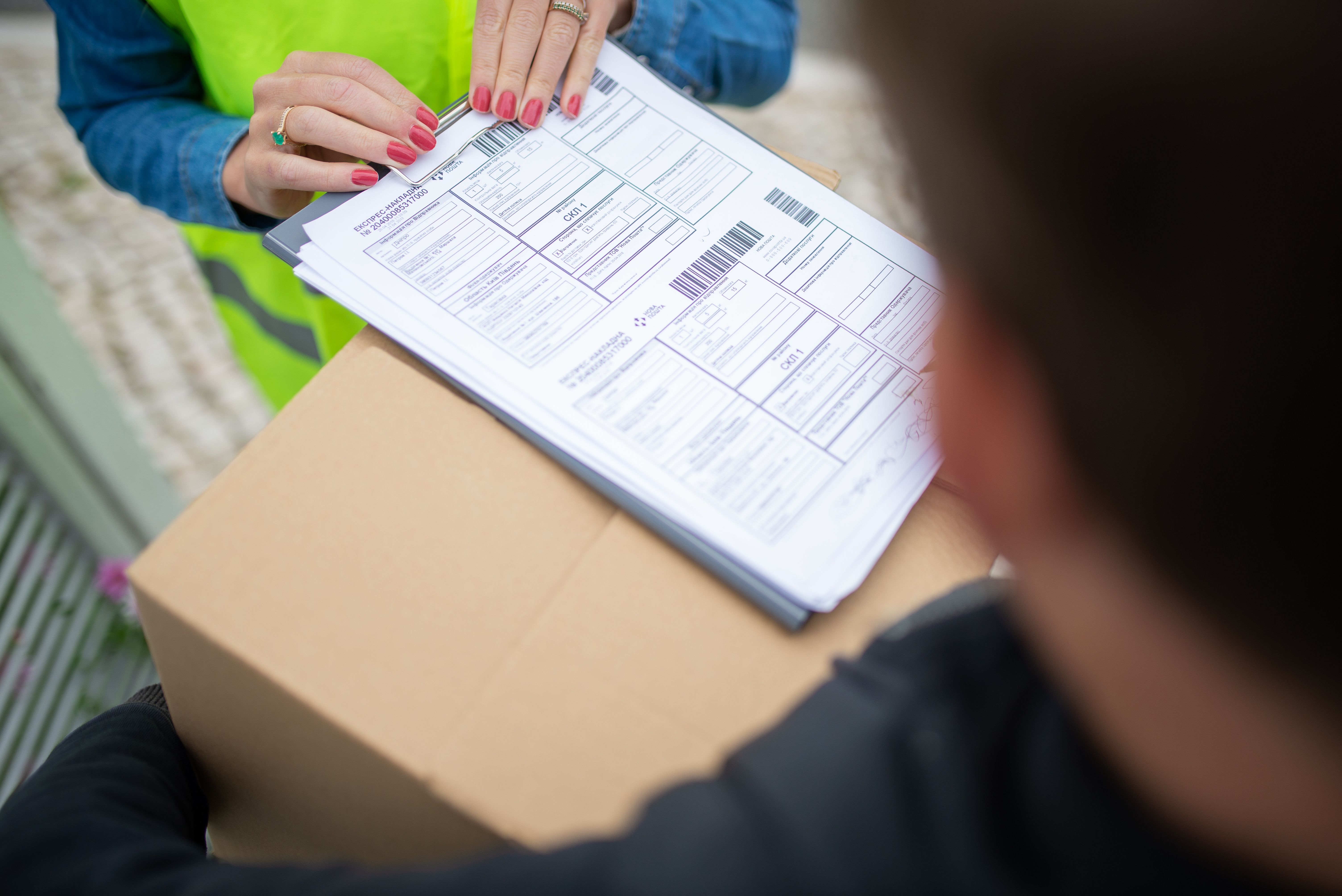

If you’ve ever imported or exported goods, you’ve probably been asked for a commodity code.
If your first thought was “Can’t customs work that out?” you’re not alone.
Commodity codes sound like something only customs brokers and government officials need to worry about. In reality, they’re one of the most important pieces of information attached to your shipment.
Get it right, and your goods move through customs as expected.
Get it wrong, and you could face delays, additional duties, penalties or lengthy customs queries.
So, what is a commodity code?
Think of it as your product’s passport.
Every product that crosses an international border is assigned a numerical code that tells customs exactly what it is. Not what it’s called on your invoice, but what it actually is.
For example, “chair” isn’t specific enough.
Is it made of wood or metal?
Is it upholstered?
Is it for an office, a dining room or a dentist’s surgery?
The more precisely a product is classified, the more accurately customs can determine how it should be treated.
Why do customs care?
Because commodity codes determine far more than just a description.
They help customs authorities decide:
- How much duty is payable.
- Whether VAT applies in a particular way.
- Whether the goods require licences or certificates.
- Whether import or export restrictions apply.
- Whether the shipment qualifies for preferential trade agreements.
In other words, the commodity code is one of the first things customs looks at when deciding how your shipment should be handled.
Can’t I just use the supplier’s code?
You can use it as a starting point, but don’t assume it’s correct.
Different businesses sometimes classify the same product differently, and suppliers may use codes that are valid in their own country but aren’t appropriate for your specific circumstances.
Ultimately, the importer is responsible for ensuring the correct classification is declared.
What happens if it’s wrong?
Not every incorrect commodity code leads to a major problem.
Sometimes customs simply requests clarification.
In other cases, however, an incorrect code can result in:
- Delays while customs investigates.
- Underpaid or overpaid duty.
- Additional administrative costs.
- Penalties for repeated or serious errors.
- Goods being held until the classification is resolved.
Even when the mistake is genuine, it can slow down your supply chain.
Finding the right code isn’t always straightforward
Some products fit neatly into a category.
Others don’t.
A seemingly simple item may need to be classified based on:
- The material it’s made from.
- How it’s manufactured.
- Its primary function.
- Whether it’s sold as part of a set.
- Its intended use.
Two products that look almost identical can sometimes have completely different commodity codes.
That’s why classification often requires a detailed understanding of both the product and the customs rules.
The bottom line
Commodity codes aren’t just numbers on a customs declaration.
They influence duties, taxes, compliance requirements and, ultimately, whether your shipment clears customs smoothly.
Taking a little extra time to ensure your goods are classified correctly can save significant time, money and frustration later.
If you’re ever unsure which commodity code applies to your products, it’s always worth checking before your shipment leaves—not after customs has already stopped it.